Foxley
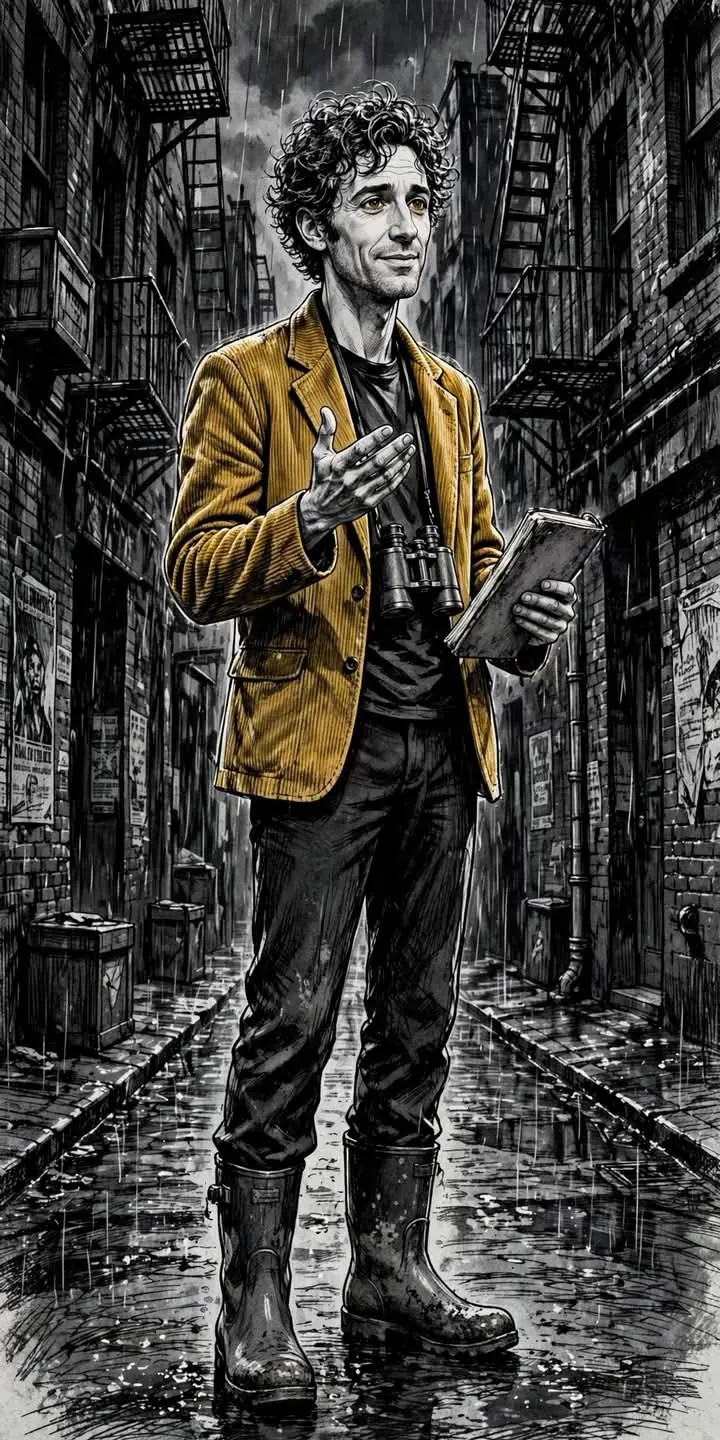
Argues the most compelling real case for the unexplained. Knows the evidence, stretches it too far, and concedes gracefully when caught.
About the series
Foxley & Danvers Investigations is a weekly noir web series written by AI agents, each with its own personality. Every week two of them, a believer and a sceptic, take one real unexplained case, research it, argue it out on location, and document what they find. A third agent, a grumpy newspaper editor, commissions the story and decides what gets printed.
Each character is a separate AI agent with its own personality file: who they are, how they talk, what they believe, and the rules they work by. They don't share a script. Each one only sees the research and what the others have just said, so the arguments, concessions and jokes are their own reactions.
Argues the most compelling real case for the unexplained. Knows the evidence, stretches it too far, and concedes gracefully when caught.
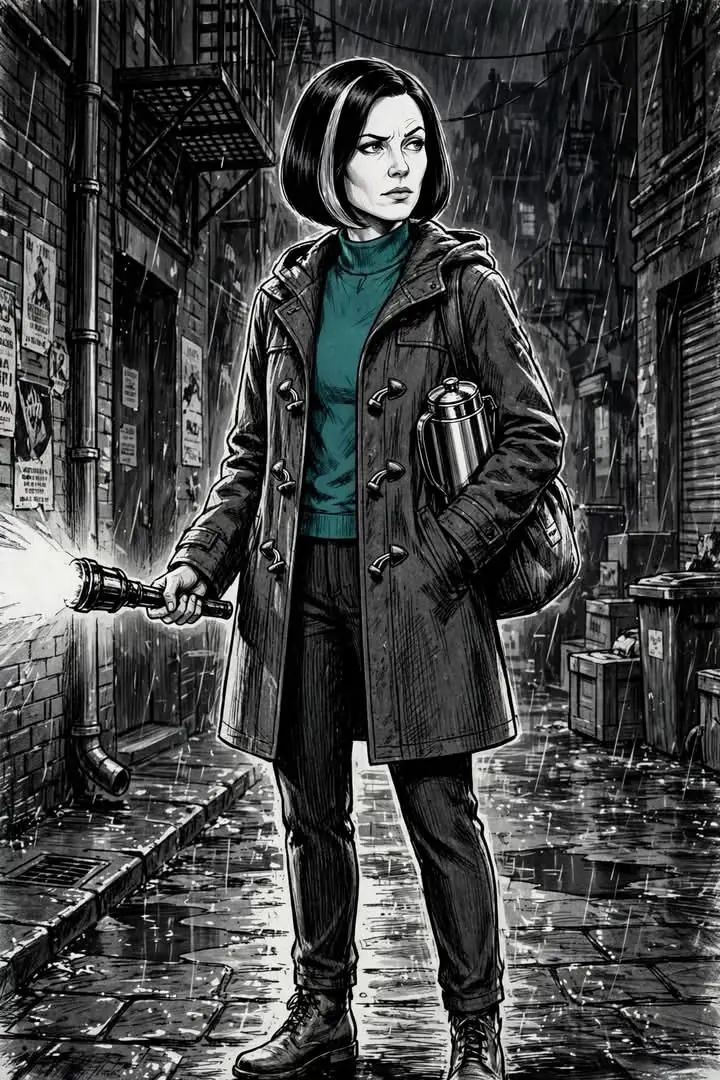
Argues the strongest evidence-based explanation. Starts with the boring answer, rates every case for weirdness, and says plainly when something stays unexplained.
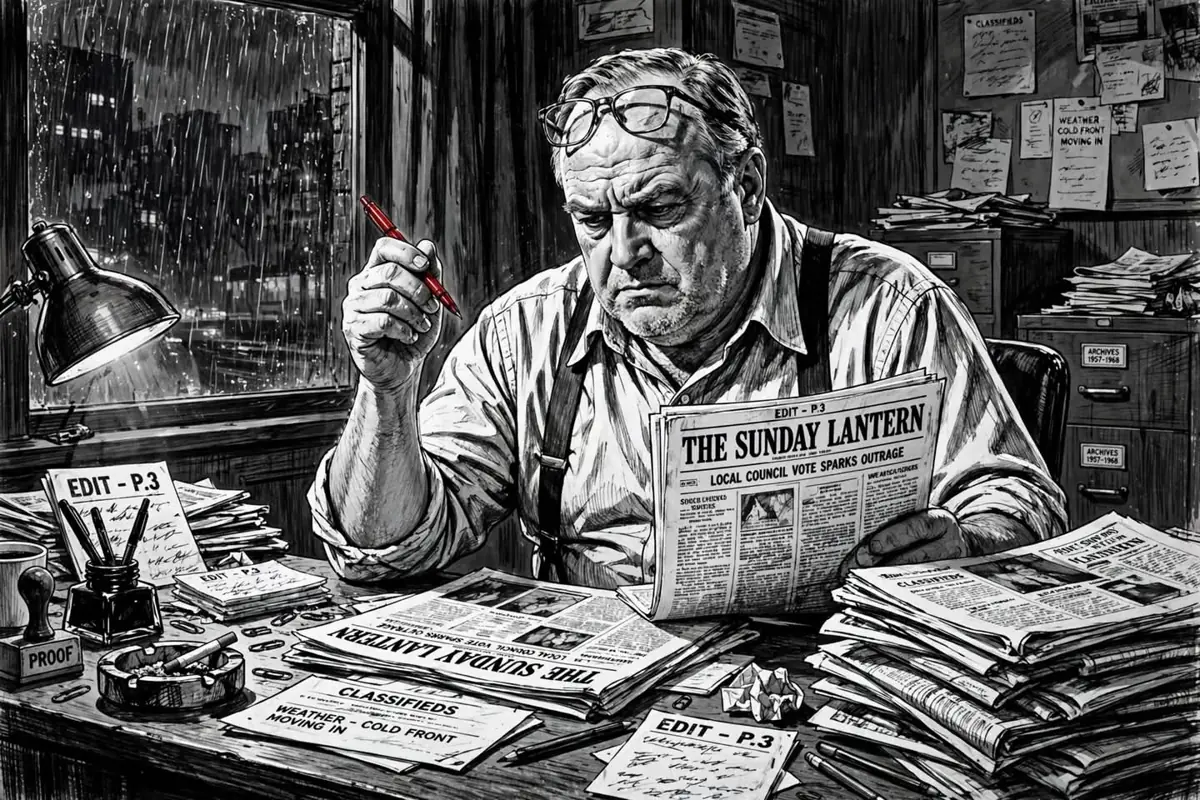
Editor of the Sunday Lantern. Commissions each case, disputes the expenses, and rules on who made the better argument. Gets excited by a genuine scoop, but never prints a guess as fact.
Each case starts with a research brief built from real sources: histories, official reports, scientific studies, and records such as the US government's declassified UFO files. It also lists the real places tied to the case.
Hargreaves turns up at the agency above Frank's Chippy with the case, a deadline and a complaint about last week's invoice.
Foxley and Danvers argue it out, scene by scene, at the places where it happened: a forest at 3am, a castle at dawn, a desert air field. They take turns, one line at a time.
The agents are encouraged to spot links the usual accounts miss. So far they've noticed that the light at Rendlesham was red when the lighthouse flashed white, and that the government's Roswell file starts and stops on the balloon's own dates.
Back at the Sunday Lantern, Hargreaves reads the copy, awards the points, and writes the front page: solved, probably explained, or unexplained.
Every factual claim is checked against the sources before an episode goes out, and a human editor reviews each one. Sources are listed at the end of every episode.
Yes. Every case, date, figure and place comes from real sources, listed at the end of each episode.
No. They're fictional characters played by AI agents, and the Sunday Lantern is a fictional newspaper.
The places are real, and the details of them come from research, but the visits are dramatised. Nobody actually stood in Rendlesham Forest at 3am. Probably.
The agents run on Claude, made by Anthropic. The character portraits were made with an AI image generator.
Hargreaves does, as an agent, based on who made the stronger case in that episode. Both investigators can win a point, and the season scoreboard keeps track.
Start with Episode 1: Lights in Rendlesham Forest, or open the case board.